


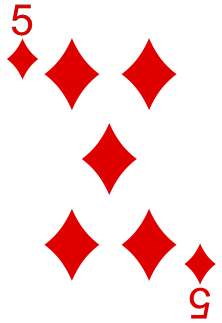
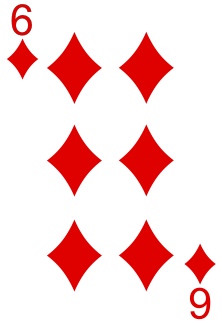
Definition
Deadwood is the value of cards that are not part of your best meld layout. In Gin Rummy, you want to keep deadwood low so you can knock, go Gin, or avoid giving your opponent a big score.
How to calculate deadwood
First, identify your sets and runs. Then add the values of every card left outside those melds. Aces are 1, number cards are face value, and face cards are 10.

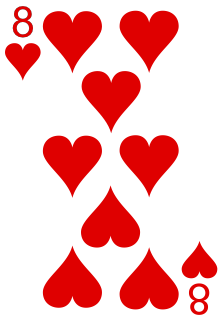
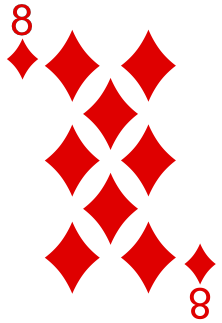

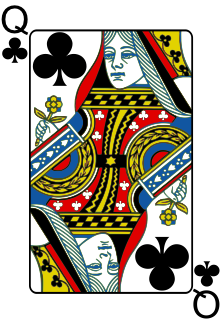
In this example, the three 8s are a set. The 5 of Clubs and Queen of Clubs are deadwood, so the deadwood total is 15.
Deadwood examples
| Cards outside melds | Deadwood total |
|---|---|
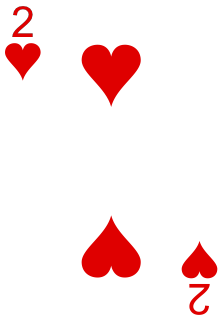
| 2 of Spades + 7 of Diamonds | 9 |
| Ace of Hearts + King of Clubs | 11 |
| Jack of Diamonds + Queen of Clubs + 5 of Spades | 25 |

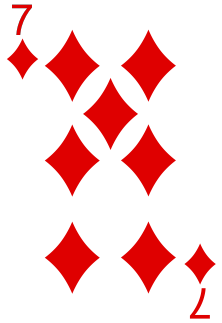
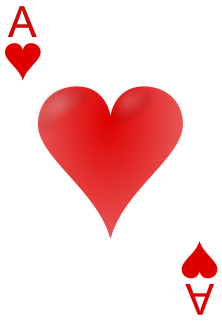
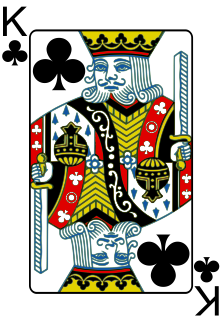
Deadwood strategy
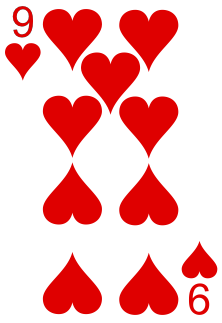
Good players balance immediate deadwood reduction with future meld potential. Sometimes keeping a middle card like 7 of Hearts is useful because it can connect to 5-6 of Hearts, 6-8 of Hearts, or 8-9 of Hearts. Other times, discarding a high deadwood card is safer.
Common deadwood mistakes
Beginners often keep too many high cards, chase unlikely runs, or ignore the opponent’s discard-pile picks. Track what your opponent takes so you avoid discarding cards that complete their melds.
Next steps
Now that deadwood is clear, review when knocking is legal and how deadwood affects scoring.
Frequently Asked Questions
What deadwood do you need to knock?
That depends on the knock limit. A common default is 10 or less deadwood for a normal knock.
Does deadwood include cards in melds?
No. Cards in valid sets or runs do not count as deadwood.
Can deadwood be zero?
Yes. Zero deadwood means the player has Gin after discarding, or Big Gin if all 11 cards are melded immediately after drawing.