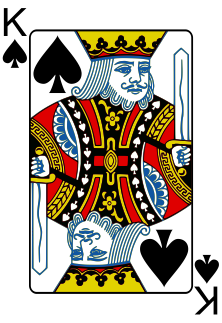
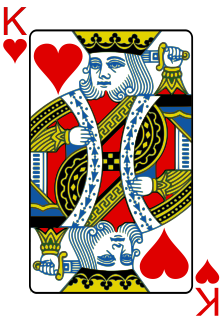
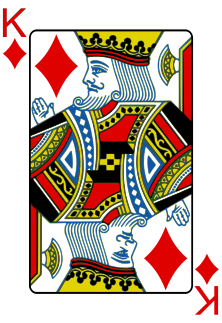




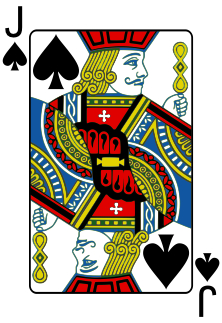
Card values
Unmatched cards count as deadwood. Aces count as 1, number cards count as their face value, and Jacks, Queens, and Kings count as 10.
| Card | Deadwood value |
|---|---|
| Ace | 1 |
| 2–10 | Face value |
| Jack, Queen, King | 10 |
Knock scoring
When a player knocks with deadwood above 0 and at or below the knock limit, the defender may lay off cards if layoff is enabled. If the knocker has less deadwood after layoff, the knocker scores the difference.
Formula: defender deadwood after layoff − knocker deadwood.



Undercut scoring
An undercut happens when the defender has deadwood less than or equal to the knocker’s deadwood after layoff. A tie is also an undercut.
Formula: undercut bonus + the difference between knocker deadwood and defender deadwood.
Gin scoring
Gin happens when a player ends the hand with 0 deadwood after discarding. The opponent does not get to lay off after Gin.
Formula: opponent deadwood + Gin bonus. For example, if the opponent has 18 deadwood and the Gin bonus is 25, the Gin player scores 43 points.


Big Gin scoring
Big Gin happens when a player draws and all 11 cards are part of melds before any discard. The player scores the opponent’s deadwood plus the Big Gin bonus.
Stock closure
If the stock pile reaches the configured minimum, the hand can end by stock closure. The player with lower deadwood scores the difference. If both players have equal deadwood, no points are awarded.
Next steps
Scoring is easier when deadwood and knock rules are clear, so review those guides next or return to the Learn page.
Frequently Asked Questions
Do you get only 25 points for Gin?
No. The usual scoring is opponent deadwood plus the Gin bonus.
Can the opponent lay off after Gin?
No. Layoff is generally allowed after a normal knock, not after Gin or Big Gin.
Is a tie after knocking an undercut?
Yes. If the defender ties or beats the knocker’s deadwood, the defender undercuts.