


Gin Rummy strategy starts with better decisions
Gin Rummy is not only about making melds. Strong players constantly compare three things: how fast they can lower deadwood, how likely they are to go Gin, and how dangerous their discards are for the opponent.
A good decision is not always the move that creates the biggest meld right now. Sometimes the best move keeps several future melds possible while avoiding a discard that gives your opponent exactly what they need.
Core idea
Try to improve your hand while making your opponent’s hand harder to complete.
Track discards and pickups
The discard pile is public information. When your opponent takes a card from the discard pile, that card usually tells you something about their hand. They may be building a set with matching ranks or extending a run in that suit.
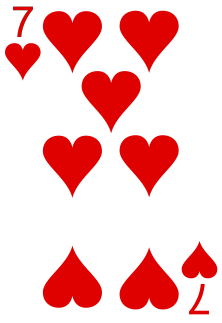
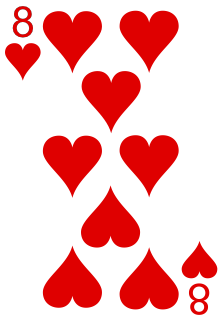
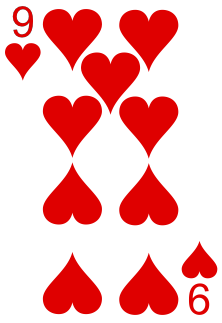
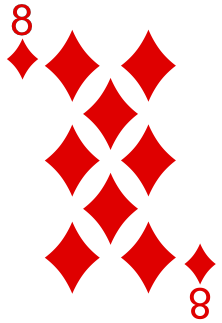
For example, if your opponent takes the 8 of Hearts, be careful about discarding 7 of Hearts, 9 of Hearts, or another 8. Those cards may complete or strengthen their meld.

Keep deadwood under control
Deadwood control is what keeps you safe. Even if you are chasing Gin, you do not want to sit with several high-value unmelded cards. If your opponent knocks suddenly, high deadwood can turn a close hand into a big loss.
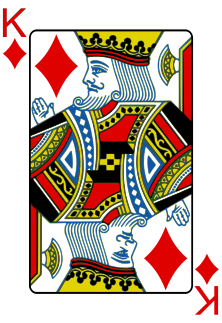
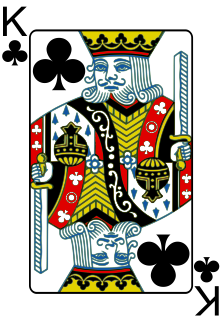
As a general habit, look for ways to remove isolated kings, queens, jacks, and tens unless they are clearly connected to a strong meld plan.
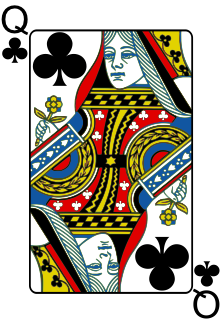
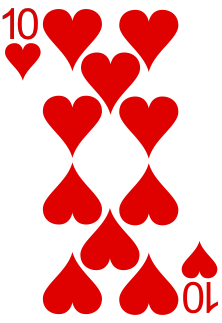

Learn more about unmatched-card value in the deadwood guide.
Prefer flexible cards
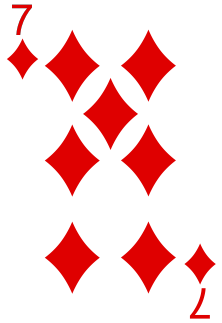
Flexible cards can work in more than one possible meld. A 7 of Clubs might connect with 5-6 of Clubs, 6-8 of Clubs, 8-9 of Clubs, or other sevens. A completely isolated king usually has fewer ways to improve.
Middle cards often have more run potential than edge cards. A 7 can connect both upward and downward; an ace can usually only connect upward because ace is low in Gin Rummy.


Choose when to knock
You do not have to knock the moment you are allowed to. Early knocking can be a strong defensive move, especially if your opponent seems close to Gin. Waiting can be better when your hand has a clear path to Gin or Big Gin.
The main risk of waiting is that your opponent may knock first. The main risk of knocking too soon is being undercut if your opponent has equal or lower deadwood after layoff.
| Situation | Better choice | Why |
|---|---|---|
| Opponent is taking useful discards | Consider knocking earlier | They may be close to a strong hand. |
| You have several connected cards | Consider waiting | Your hand may improve into Gin. |
| Your deadwood is low but awkward | Knock may be safer | Your hand may not improve much. |
| Opponent has passed many turns | Waiting may be reasonable | They may be stuck with higher deadwood. |
For the rule details, read the knocking guide.
Make safer discards
A safe discard is a card that is less likely to help your opponent. Cards that are far away from the cards your opponent has picked up are usually safer. Cards next to a known pickup can be dangerous.
Late in the hand, defensive discarding becomes more important because one helpful card can allow your opponent to knock or go Gin.
Know when to chase Gin
Going Gin can score much more than a normal knock because it adds the Gin bonus to your opponent’s deadwood. But chasing Gin for too long can backfire if your opponent knocks first.
A practical approach is to chase Gin when your hand is flexible and your deadwood is already low. If your hand is stiff, or your opponent looks close, a normal knock may be the better play.
Compare the difference in the Gin vs Big Gin guide and review the point examples in the scoring guide.
Adjust near the end of the stock pile
When the stock pile is running low, there are fewer chances to improve. This changes your priorities. You may need to lower deadwood quickly rather than wait for a perfect card.
If your game uses stock closure when only a small number of cards remain, the hand may end without a knock or Gin. In that case, the player with lower deadwood usually has the advantage.
Next steps
Use these drills when practicing against AI or reviewing a hand:
- Discard memory drill: after each opponent pickup, say what cards may now be dangerous.
- Deadwood drill: after every draw, calculate your deadwood before discarding.
- Two-plan drill: identify your best meld plan and your backup meld plan.
- Knock timing drill: when you can knock, ask whether waiting gives you a realistic Gin chance.
Frequently Asked Questions
What is the best Gin Rummy strategy?
The best strategy is to balance offense and defense: build flexible melds, reduce deadwood, track opponent picks, and avoid discards that clearly help the opponent.
Should I always knock as soon as I can?
No. Knocking early can be correct, but sometimes waiting gives you a better chance to go Gin or reduce the risk of being undercut.
How do I defend better in Gin Rummy?
Watch what your opponent takes from the discard pile, avoid feeding likely runs or sets, and keep your own deadwood low enough that you can survive a sudden knock.